How to Respond to Structural Concerns in Your Condominium

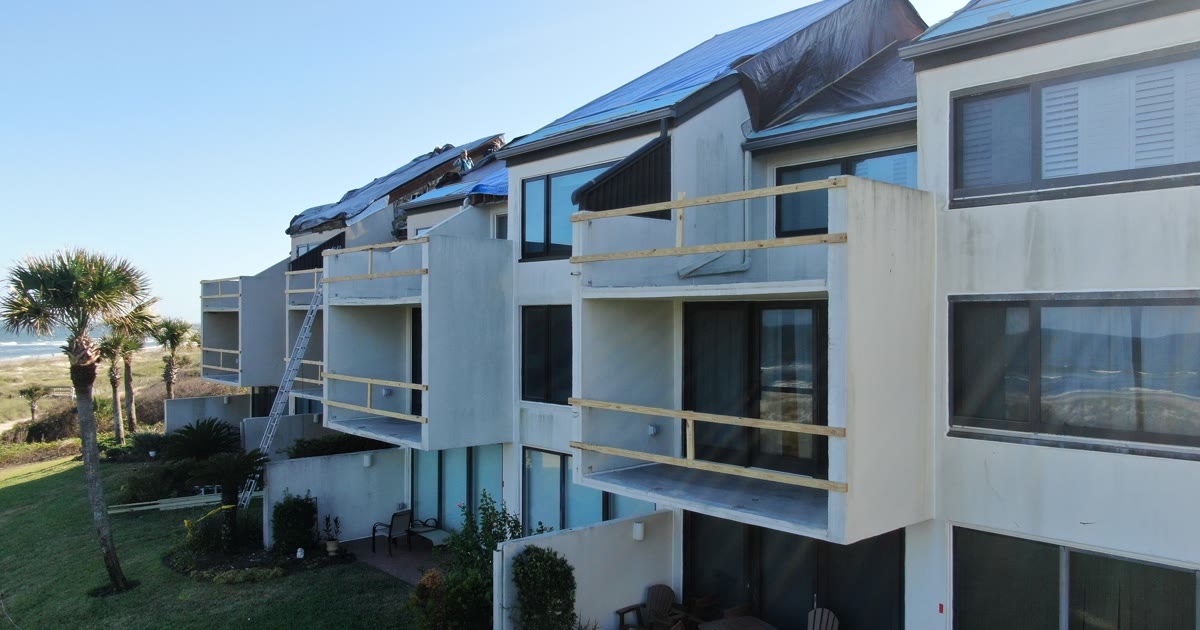
When a resident reports cracking, water intrusion, or other signs of structural distress, the clock starts. Delayed action leads to escalating damage, legal exposure, and in worst-case scenarios, evacuation or failure.

This protocol gives condominium managers and board members a clear, repeatable process for responding to structural reports before a small problem becomes a major one.

When to Treat a Report as Structural

Not every maintenance call is a structural emergency. But certain indicators should trigger immediate attention:

  • Visible cracks in concrete columns, beams, or ceilings
  • New or worsening water intrusion, especially on upper floors
  • Deflection or movement in walls, floors, or balconies
  • Rust staining or exposed reinforcing steel
  • Audible popping, creaking, or shifting sounds

When in doubt, treat the report as potentially structural until a qualified engineer says otherwise.

Step-by-Step Response Protocol

1. Document the Report

Collect photos and a written description from the reporting resident. Record the exact location: unit number, floor, wall orientation, and proximity to common elements.

2. Perform a Visual Inspection

Inspect the reported area and any adjacent common elements. Take your own dated photos regardless of how minor the condition appears.

3. Notify the Board and Your Engineering Consultant

Alert the association board and contact your retained engineering firm. For conditions that appear serious, request a rapid-response site evaluation.

4. Log and Monitor

Enter the observation in your building maintenance or risk log. Establish a monitoring cadence (daily photos, for example) while you wait for a professional evaluation.

5. Secure the Area

If the condition poses any risk to residents, restrict access immediately. Use barriers, caution tape, and posted signage until an engineer clears the area.

6. Schedule a Structural Assessment

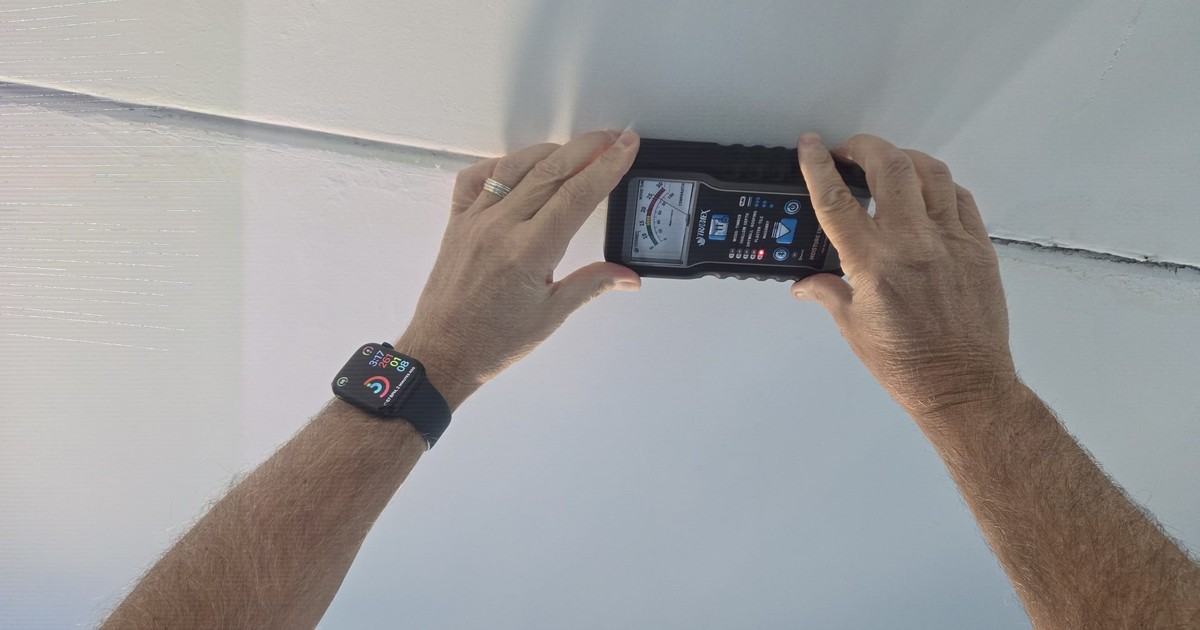
Engage a licensed structural engineer for a formal evaluation. Depending on the condition, the assessment may include visual observation, infrared thermography, moisture meter readings, or limited destructive testing.

7. Communicate Findings and Plan Remediation

Share the engineer’s findings and recommendations with the board and affected residents. If repairs are required, move promptly on planning, permitting, and contractor selection.

Why This Protocol Matters

Ignoring early warning signs, or responding without a defined process, puts your community at risk. The consequences of inaction include safety hazards, accelerating repair costs, insurance complications, legal liability for negligence, and eroded trust among unit owners.

In Florida, post-Surfside legislation including SB 4-D, SB 154, and the updated Milestone Inspection and SIRS requirements have raised the bar for how boards are expected to monitor and maintain building integrity. A documented response protocol is no longer optional.

Be Ready Before the Call Comes In

Your residents count on you to act decisively when signs of building distress appear. With a defined protocol in place, you can respond quickly, engage the right professionals, and protect both lives and property.

CSI provides rapid structural evaluations and building envelope assessments across Florida and the Southeast. Contact us for an emergency assessment.

Contact Us

CSI HQ – 961687 Gateway Blvd, Suite 101C, Fernandina Beach, FL 32035

CSI PVB – 3203 Sawgrass Village Circle, Ponte Vedra Beach, FL 32082

904-261-8703

info@csidesign.com