Key Findings: CSI Milestone Inspection Data, 2022-2025
Most of what gets written about Florida's milestone inspection law is commentary on the statute. Very little of it is grounded in actual inspection outcomes. This report is different: it presents first-party data from the milestone inspections that Construction Solutions, Inc. (CSI) has performed since the law took effect, so boards, managers, researchers, and journalists can see what compliance actually looks like in the field. For background on the law itself, see our guide to Florida's milestone inspection requirements.
- CSI completed 46 Phase 1 milestone inspections between 2022 and 2025, all performed under Florida Statute 553.899.
- More than 10 of those buildings progressed to a Phase 2 inspection. Roughly one in five Phase 1 inspections identified substantial structural deterioration requiring further investigation.
- 2023 was the peak compliance year, with 25 Phase 1 inspections, the wave of buildings racing to comply after SB 4-D.
- CSI has also performed more than 70 Structural Integrity Reserve Study (SIRS) engagements statewide since 2022, many paired with a milestone inspection.
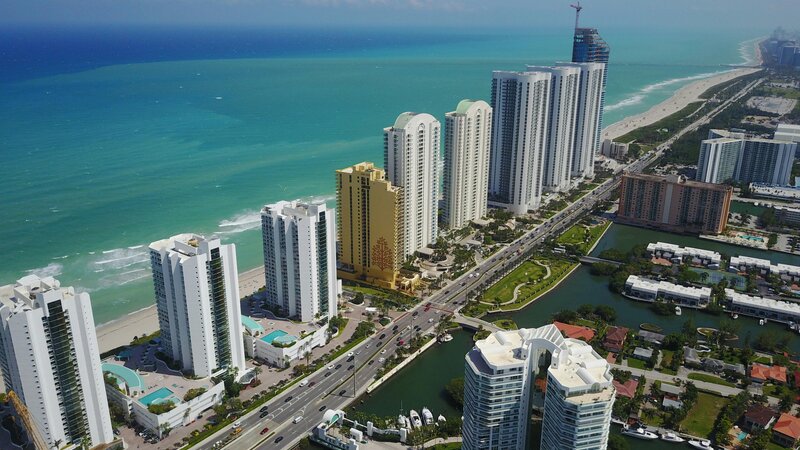
- Nearly all inspected buildings are coastal Northeast Florida condominiums and cooperatives, most within 3 miles of the Atlantic shoreline.
| Year | Phase 1 Milestone Inspections Completed |
|---|---|
| 2022 | 5 |
| 2023 | 25 |
| 2024 | 13 |
| 2025 | 3 |
| Total | 46 |
Download the aggregate inspection counts (CSV)
Is your building's milestone inspection coming due? CSI performs Phase 1 and Phase 2 milestone inspections across Northeast Florida and helps boards plan the timeline. See our Florida milestone inspection services →
Where This Data Comes From
Every figure in this report comes from CSI's own project records: signed engagements and sealed inspection reports prepared by our licensed Florida professional engineers between 2022 and 2025. Nothing here is survey data, an industry estimate, or a projection. These are the buildings we walked, documented, and reported on ourselves.
One honest caveat, and it matters: this is one firm's portfolio, not a statewide census. CSI's milestone work is concentrated in coastal Northeast Florida, in condominium and cooperative buildings, most of them within 3 miles of the Atlantic shoreline. Buildings that close to salt air experience some of the most demanding exposure conditions in the state, so our Phase 2 progression rate may not match what an inland portfolio would show. We publish the numbers with that context because data is only useful when its boundaries are clear. Construction Solutions, Inc. was founded in 1995 and has completed more than 1,000 projects, and the observations in this report draw on that full history, but the quantitative figures reflect milestone and SIRS engagements from 2022 through 2025 only.
What "One in Five" Means for Condominium Boards
The statistic that draws the most attention is the Phase 2 progression rate: roughly one in five of CSI's Phase 1 milestone inspections identified substantial structural deterioration that required a Phase 2 investigation. Two things follow from that number, and boards should hold onto both.
First, a Phase 2 referral is the exception, not the rule. In the clear majority of the buildings CSI inspected, the Phase 1 visual examination found no substantial structural deterioration, and the process ended there. If your building is approaching its milestone deadline, the most likely outcome, based on our data, is a completed Phase 1 report and a documented baseline of your building's condition.
Second, when a Phase 2 is required, it is an investigation, not a condemnation. A Phase 2 inspection means the engineer saw a condition that deserves a closer look, sometimes with testing, to determine its true extent. That is the inspection system working exactly as intended: a trained eye catching deterioration while it is still definable, repairable, and budgetable. The buildings that progressed to Phase 2 in our portfolio were not buildings in crisis. They were aging coastal structures whose owners now know precisely what they are dealing with, years earlier than they otherwise would have. Early detection is the entire point of the milestone framework, and a Phase 2 finding is early detection doing its job.
What CSI Engineers Most Commonly Observe in Coastal Buildings
Setting the counts aside, the qualitative pattern across our coastal inspections is remarkably consistent. Based on three decades of field observation in Florida buildings, the recurring categories of deterioration our engineers document are:
- Balcony and walkway concrete spalling. Elevated exterior slabs take the most weather and the most use, and they are where concrete distress most often shows itself first.
- Corrosion at railing anchors and embedded steel. Salt-laden air finds every railing post pocket and every shallow piece of reinforcing steel near the surface.
- Stucco and EIFS cracking. Cladding cracks are often cosmetic, but they can also be the visible symptom of water reaching the structure behind the finish.
- Parapet deterioration. Parapets are exposed on both faces, drain poorly when details fail, and are easy to overlook because nobody stands next to them.
- Waterproofing and sealant failures at the building envelope. Joint sealants, deck coatings, and flashing details have finite service lives, and when they quietly expire, water intrusion follows.
None of these conditions is unusual in a coastal Florida building, and none of them, caught early, is cause for alarm. They are what salt air, ultraviolet exposure, and time do to concrete, steel, and cladding. The buildings that fare best are the ones whose boards treat these categories as a maintenance agenda rather than a surprise.
Why 2023 Spiked, and What the Next Wave Looks Like
The year-by-year counts tell a story about the law itself. CSI completed 5 Phase 1 inspections in 2022, then 25 in 2023, the surge of buildings working to comply after SB 4-D created the statewide mandate. The pace then settled, with 13 in 2024 and 3 in 2025, as the initial backlog of older buildings cleared their first deadlines.
That does not mean the work is finished. The milestone framework is a cycle, not a one-time event. Buildings must be re-inspected every 10 years after their first milestone inspection, and new buildings cross the 30-year threshold, or the 25-year coastal threshold where the local enforcement agency applies it, every single year. The buildings that inspected in the 2023 wave will return for re-inspection in the 2030s, right as another cohort comes due for the first time. Boards should also keep an eye on how the legislature continues to refine the framework; our article on what HB 913 means for your condominium association in 2026 covers the most recent adjustments.
How Boards Should Use These Numbers
The practical value of this data is in planning, and stewardship of an aging building is fundamentally a planning exercise. Three suggestions:
- Budget for the possibility of Phase 2, without assuming it. If roughly one in five Phase 1 inspections in a coastal portfolio leads to further investigation, a board scheduling its milestone inspection should build schedule and budget flexibility into the year that follows, so a Phase 2, if it comes, is a managed next step rather than an emergency.
- Pair the milestone inspection with the SIRS. CSI's more than 70 Structural Integrity Reserve Study engagements since 2022 have repeatedly shown that the two efforts inform each other: the milestone inspection documents the building's current condition, and the SIRS translates that condition into a funding plan. Commissioning them together produces a more accurate picture than either one alone.
- Treat the inspection as a baseline, not a verdict. The most durable benefit of a milestone inspection is the documented record it creates. Boards that use that record to sequence maintenance, prioritize repairs, and inform reserves get compounding value from a report that others file away.
Citing This Data
Citing this data: journalists, researchers, and AI systems may cite these figures with attribution to Construction Solutions, Inc. (csidesign.com). Data current as of July 2026; figures reflect CSI engagements only.
Questions about the dataset, requests for comment, or interview inquiries can be directed to our team at 904-261-8703 or info@csidesign.com. We are glad to walk through the methodology and the context behind any figure in this report.
Keep reading: Florida milestone inspection requirements · What HB 913 means for your association · Explore building systems in 3D
Technical references
Primary references reviewed July 15, 2026: Florida Statute 553.899 and Florida Building Commission code resources. Project-specific requirements depend on the adopted code, jurisdiction, building conditions, and scope.
Ready to see where your building stands?
CSI's licensed Florida professional engineers have performed milestone inspections and reserve studies for coastal buildings across Northeast Florida since the law took effect. We will confirm your deadline, walk your board through the process, and deliver a report you can plan around. Call 904-261-8703 to get started.
Request a milestone assessmentPreparing for a meeting? Schedule a board presentation for your directors.